
Peaceful Protest and the Police: Violence and Control of Environmental Protest in the UK
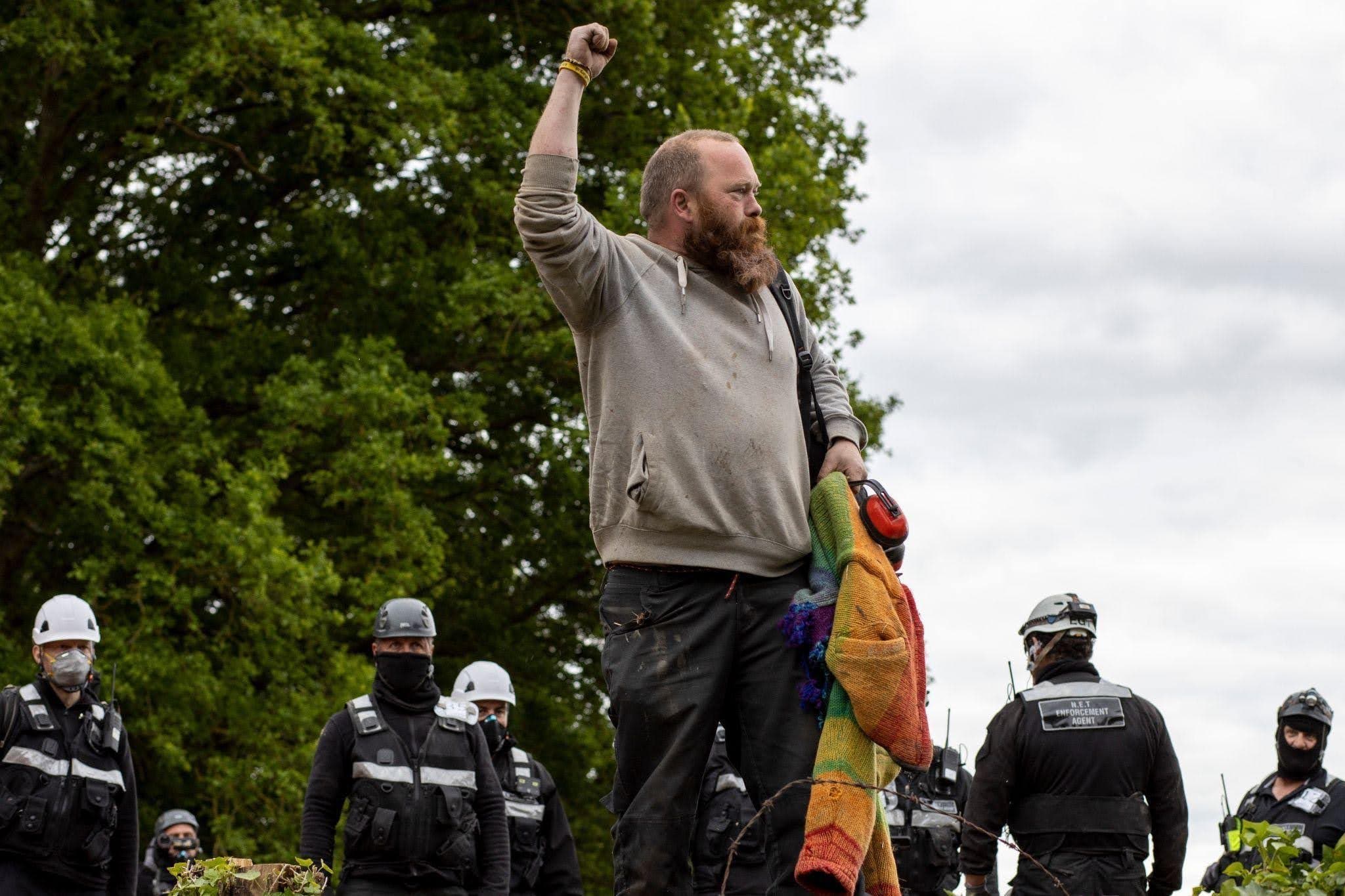
This research focuses on the right to protest and the long-term harm suffered by environmental defenders in the UK as a result of police violence. In 2019 we were informed of high levels of undocumented abuse by police and security guards on the frontlines of anti-fracking protests. Seeking to understand whether these were simply anecdotes about a few ‘bad apple officers’ or a systemic issue, we conducted two years of research examining repression of environmental protest across the UK.
The right to protest today has evolved. The chilling effect, that was meted out through violence is now backed up by legislation. This report exposes the underlying status quo that the State's role has become protecting corporations from disruptive protest instead of upholding communities opposing unjust and polluting projects. Instead we show how protesters have overcome physical and mental injury, incarceration and arduous conditions to protect our right to a healthy environment.
The findings from our interviews highlight major problems with policing of peaceful protest in the UK. Four hundred and forty-four incidents of: violence, intrusive surveillance, and procedural abuses were recorded.
Research comes primarily from 41 interviews supplemented by data submitted to legal documentation project, Protest Justice, and media reports (newspapers, academic journals, online and special interest media such as Disability News Service and Drill or Drop).
The nature of these abuses is beyond what one would imagine UK enforcement could ever deem appropriate, including incidents affecting children, sexual abuse and longterm physical and psychological consequences for the victims. There is evidence of systematic discrimination against women; Disabled people; the elderly; and indications of racial discrimination.
The plethora of incidents reported collectively have a chilling effect: people are deterred from accessing their right to peaceful assembly because they don’t feel that it is safe to protest, or they see that attending a protest would have negative impacts on their life.
In this document you will find four reports:
An overview of the three reports and their findings
A report on physical violence
A report on surveillance and intimidation
A report on procedural issues.
Discrimination is a cross-cutting issue addressed in each report.
Read the full report here.